
Blog & Guides
Insights into the Telecom World: Latest Trends & Market Developments
TR-181 Data Model Explained: The Blueprint Behind TR-069 and USP
Managing broadband CPEs at scale requires a clear operation divide: the protocol that carries the message, and the data model that defines the device. While TR-069 (CWMP) and USP (TR-369) handle transport, messaging, and session lifecycle, the Broadband Forum’s TR-181 Data Model provides the underlying schema that makes remote management vendor-agnostic.
USP (TR-369) Transports: WebSocket vs. MQTT — Which MTP Fits Your CPE Strategy?
When migrating from TR-069 to USP (TR-369), a critical architectural decision for ISPs and CPE developers is choosing how data moves over the wire. Unlike TR-069's strict HTTP POST/INFORM sessions over short-lived TCP connections, TR-369 is transport-agnostic and defines multiple Message Transfer Protocols (MTPs). For broadband gateway management, WebSocket and MQTT are the two primary options. Here is how they compare in operation, security, and use cases.
eSIM and Remote SIM Provisioning: What It Means for Device Management
Changing a mobile network provider used to mean one thing: physically swapping a tiny piece of plastic. Deploying devices globally or updating a corporate mobile fleet meant the same thing at scale - someone, somewhere, handling the hardware by hand. In modern device management, that physical constraint is fading away. The combination of eSIM (embedded SIM) technology and Remote SIM Provisioning (RSP) is transitioning cellular connectivity from a hardware supply-chain issue into a dynamic, software-defined workflow.
DOCSIS 4.0 Explained: What’s Next for Cable Broadband
Cable internet has a notorious bottleneck: its upload speeds. You can easily stream 4k movies or download massive gaming files, but the moment you try to upload a video, join a high-definition video call, or back up files to the cloud, everything grinds to a halt. This lopsided performance is a built-in limitation of how traditional cable networks were engineered. Fortunately, a massive architectural upgrade is rolling out to completely flip the script: DOCSIS 4.0.

Understanding Kubernetes: The Modern Infrastructure Standard
In modern software development, we no longer deploy applications to a single “server”. Instead, we use containers to package our code. But once you have dozens or hundreds of containers, managing them manually becomes impossible. Kubernetes is the solution to this complexity. It is an orchestration platform that automates the deployment, scaling, and management of containerized applications.
Beyond the Inform: Why USP (TR-369) is the “Operating System” for the 2026 Smart Home
In 2026, the baseline requirements for home connectivity have shifted from simple internet access to seamless management of a complex digital environment. As households integrate a higher density of IoT devices, low-latency applications, and automated service, the industry has largely transitioned away from legacy management protocols. The emergence of USP (User Services Platform), or TR-369, has provided the necessary framework to handle this modern scale. While USP is technically a protocol, its role in the ecosystem is best understood as the Operating System of the home.
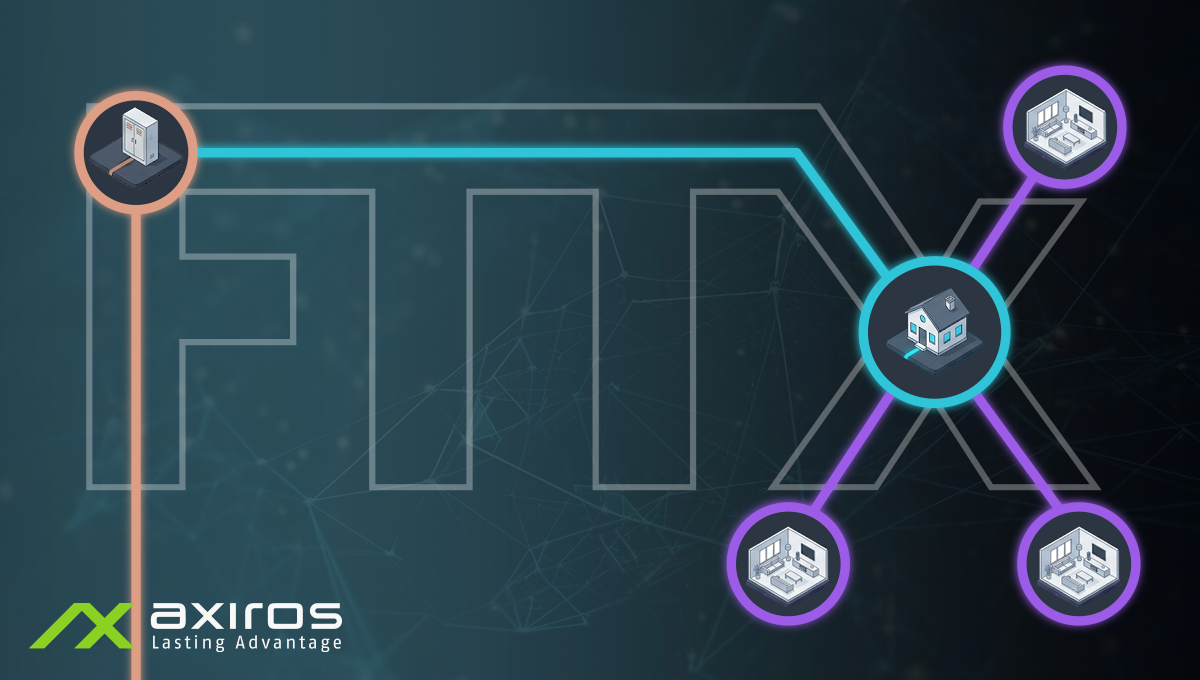
What's the x in FTTx - An Overview of Fiber Architectures
FTTx Explained: Discover the differences between FTTN, FTTC, FTTB, FTTH, FTTP, FTTR, and FTTD, and see exactly where the fiber optic cable ends in each setup. This quick breakdown clears up the alphabet soup of network architectures, from neighborhood nodes to individual desks. Dive in to see how these different configurations work and find out which one is right for your infrastructure needs!
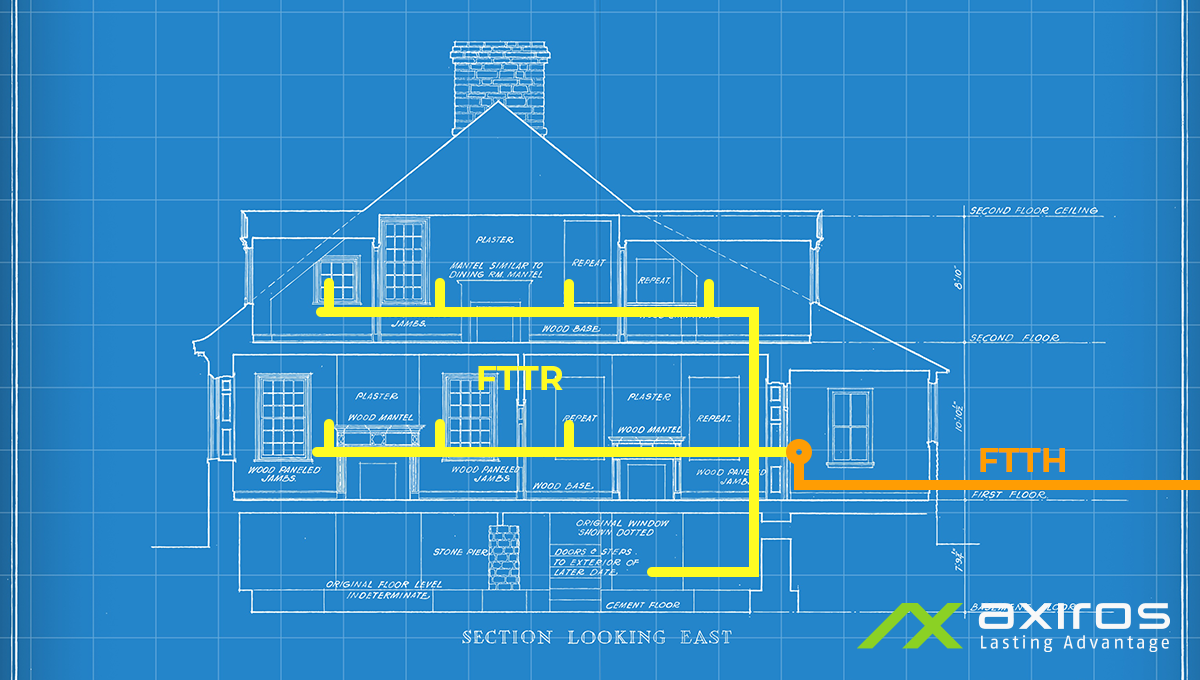
The Last 10 Meters: Why “Fiber-to-the-Home” is Becoming “Fiber-to-the-Room”
For years, the telecommunications industry has measured success by the arrival of high-speed glass at the building’s perimeter. Fiber-to-the-Home (FTTH) was the gold standard promising a future of limitless bandwidth. However, a sobering reality has emerged: the “Last 10 Meters”. The span between the entry point and the end-user device has become the primary bottleneck for the modern digital enterprise.
Zero-Touch Connectivity: Understanding the Guidelines of CPE-ACS Communication
In modern managed networks, seamless device onboarding and maintenance are essential. This is where the interaction between the Auto Configuration Server (ACS) and Customer Premises Equipment (CPE) becomes critical.
Managing CPE from Warehouse to Retirement: A Lifecycle Approach
For many service providers, Customer Premise Equipment (CPE) is often treated as treated as a series of disconnected tasks: you buy it, you ship it, and eventually, you replace it. It’s easy to focus on the big projects like network expansion or speed upgrades, but the hardware sitting in your customer’s homes is frequently the make-or-break factor for your support costs and overall customer satisfaction.
The Language of the Network: Understanding Protocols
In any complex system, coordination requires a common language. In networking, these languages are called protocols. A protocol is a formal set of rules and conventions that regulate how devices on a network exchange data. Without these standards, a router from vendor A would be unable to communicate with a server from vendor B. For telco engineers, understanding these protocols is the difference between “guessing” why a network is slow and “knowing” exactly which layer is failing.
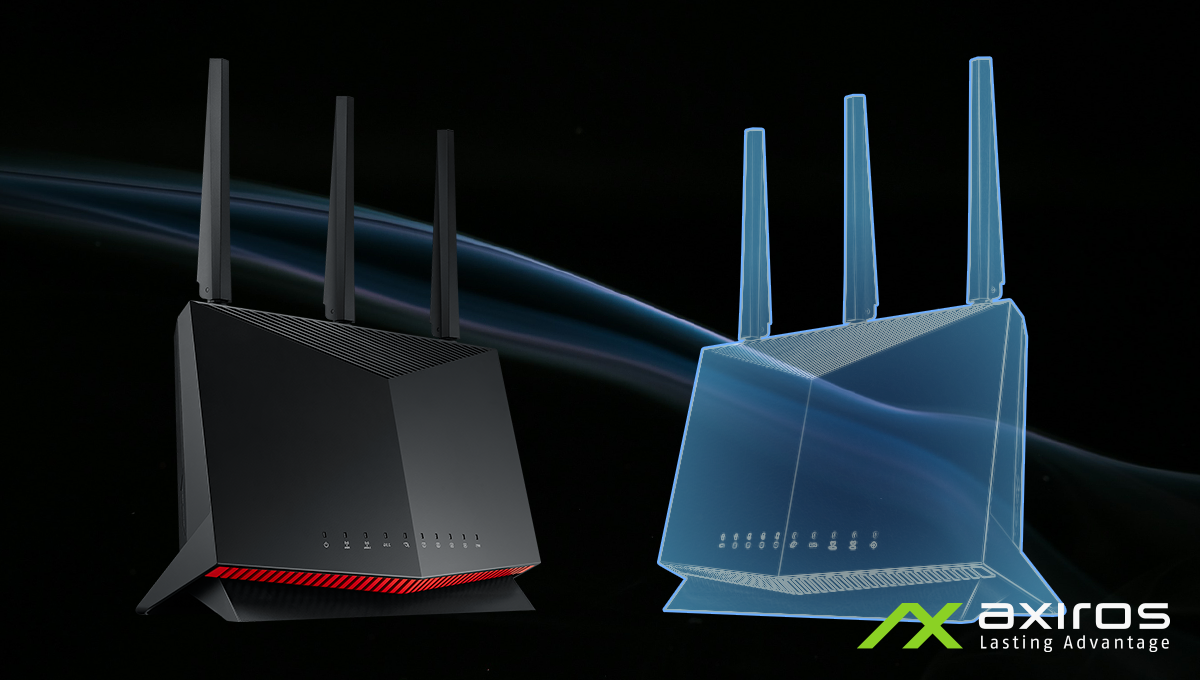
From Reactive to Predictive: Using Digital Twins in Device Management
In the quickly transforming landscape of telecommunications, managing Customer Premises Equipment (CPE), the routers, modems, and set-top boxes in our homes, has traditionally been a reactive game. When a device fails, the customer calls. When a configuration needs updating, the network operator pushes a command and hopes for the best. However, a more sophisticated approach is taking over: the Digital Twin.
Building Trust Through Transparency: How Axiros Uses SBOMs and Vulnerability Scans to Strengthen Software Security
In an era where digital trust is paramount, Axiros is setting the standard for software security. Discover how our proactive use of Software Bills of Materials (SBOMs) and continuous vulnerability scanning not only meets the stringent requirements of the EU Cyber Resilience Act (CRA) and NIS2 Directive, but also builds secure-by-design products, strengthens transparency, and delivers unparalleled peace of mind to our customers.

AX DHCP: Advanced IP Address Management for Service Providers
In this blog post, we explore how efficient IP address management underpins reliable network operations. As service providers face growing demands for seamless connectivity, Axiros’ AX DHCP delivers a scalable solution that unifies DHCP and IPAM—enabling automation, visibility, and control. From streamlining provisioning to optimizing address utilization, AX DHCP ensures future-ready, carrier-grade network performance.

Private vs Public Cloud: Choosing the Right Infrastructure for Your Managed Services
In this blog post, we explore the crucial decision telecom providers face when choosing between private and public cloud infrastructure for their managed services. With millions of connected devices to manage, the right choice can define your organization’s performance, compliance, and profitability.

TR-069 Lessons Learned: Unlock benefits with USP
In CPE management, TR-069 has dominated for over 20 years, offering clear data handling but revealing flaws over time. Instead of reworking it, a new protocol—TR-369, or User Services Platform—was developed to address these issues and align with modern needs. Learn more in our new blog post: TR-069 Lessons Learned: Unlock Benefits with USP.

Leveraging AI in Device Management: Enhancing Current Practices
Traditional device management solutions, such as TR-069, have played a significant role in enabling remote configuration, monitoring, and updates. However, as networks grow in complexity and scale, these legacy protocols face limitations in security, efficiency, and flexibility. In this blog, we explore the challenges of traditional device management, the evolution of new protocols, and the transformative role AI plays in optimizing device operations. Let’s dive into the future of intelligent device management.